
A planetarium for the human brain
Cerebrarium is a 3D atlas of the human brain, built from real scans. Turn it, take it apart and see how it is wired.A 3D atlas of the human brain, built from real scans.
Loading the 3D brain
Shown: 77 white-matter tracts, averaged from 1,065 people, inside the brain of one volunteer scanned at 7 Tesla.
What’s in the atlas
The 3D tour shows four of its layers. The atlas has all of them, and more.
-
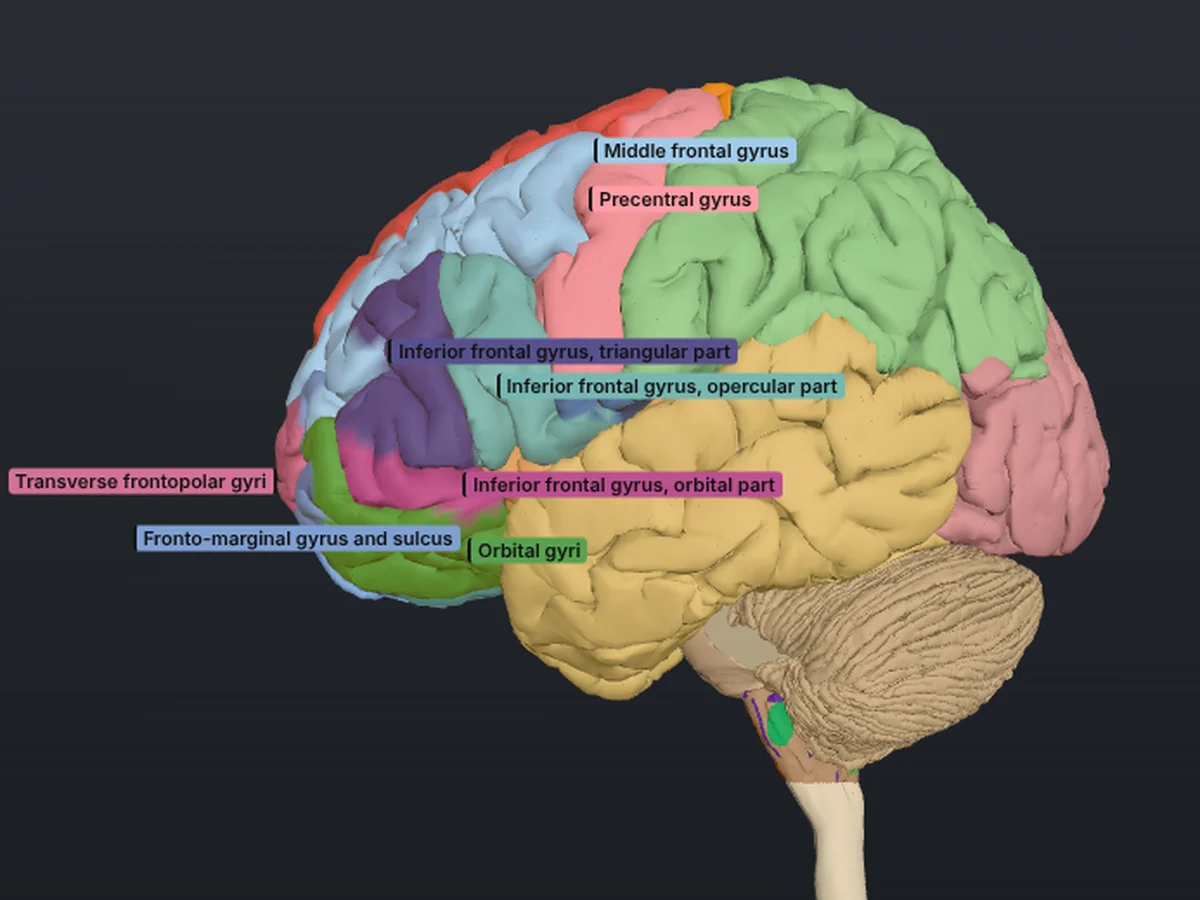
Every structure, named
730 structures and 1,031 models, from the bones of the skull base to nuclei a few millimetres wide. Peel them away, isolate them and read what each one does.
-
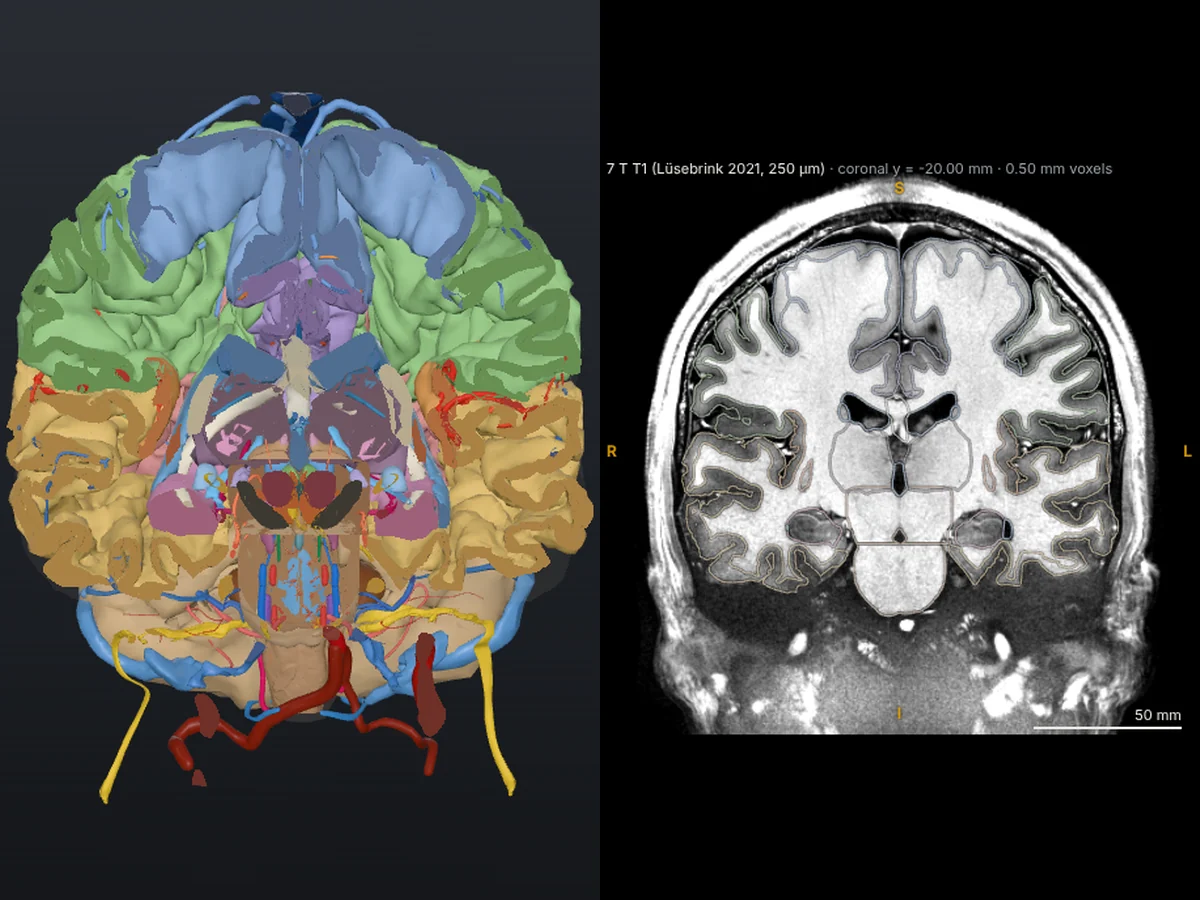
Scans and anatomy in one view
Scroll through real MRI slices and watch the structures rise out of them in 3D, so a scan stops being a puzzle.
-
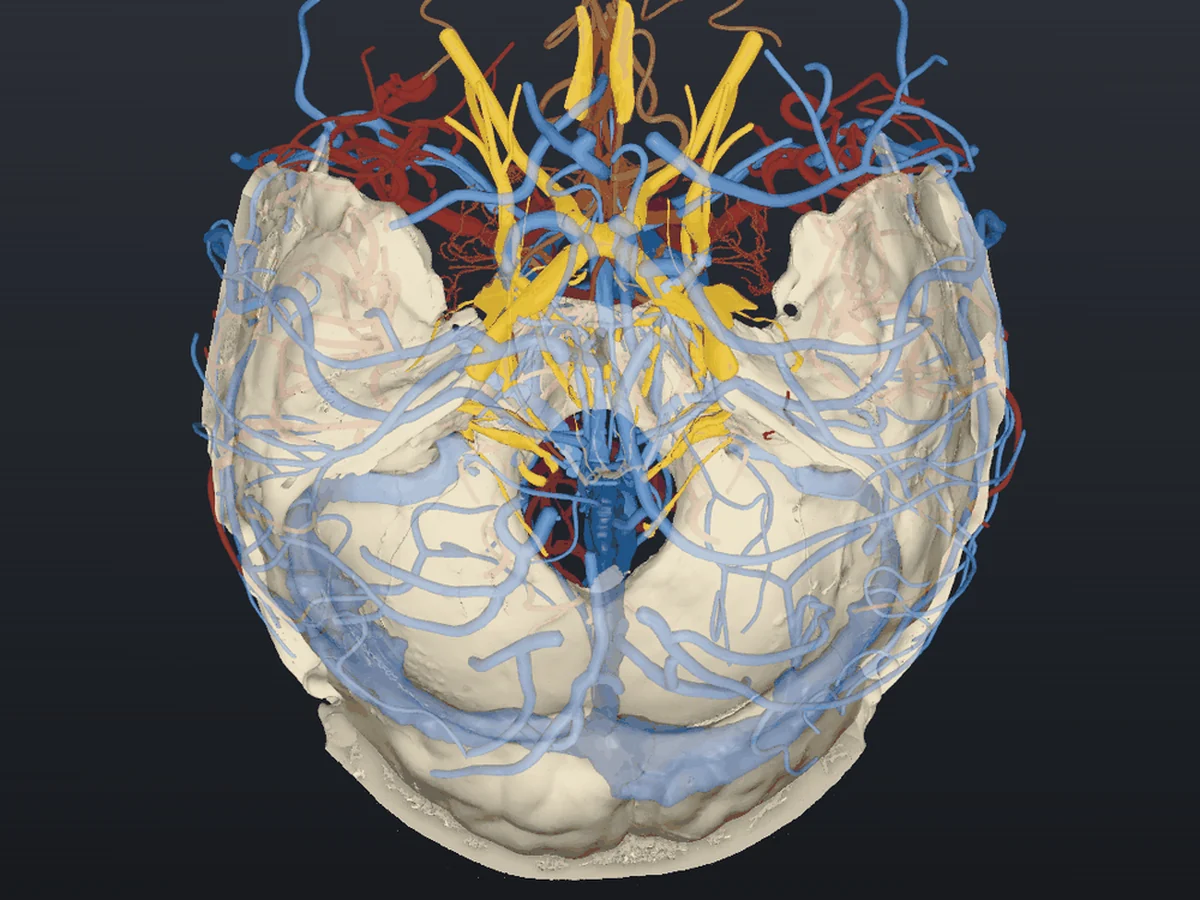
Guided journeys
Step-by-step chapters through pathways and systems, like the layers above: what connects to what, and why it matters in the clinic.
Future direction
In the works, not in the atlas yet.
-
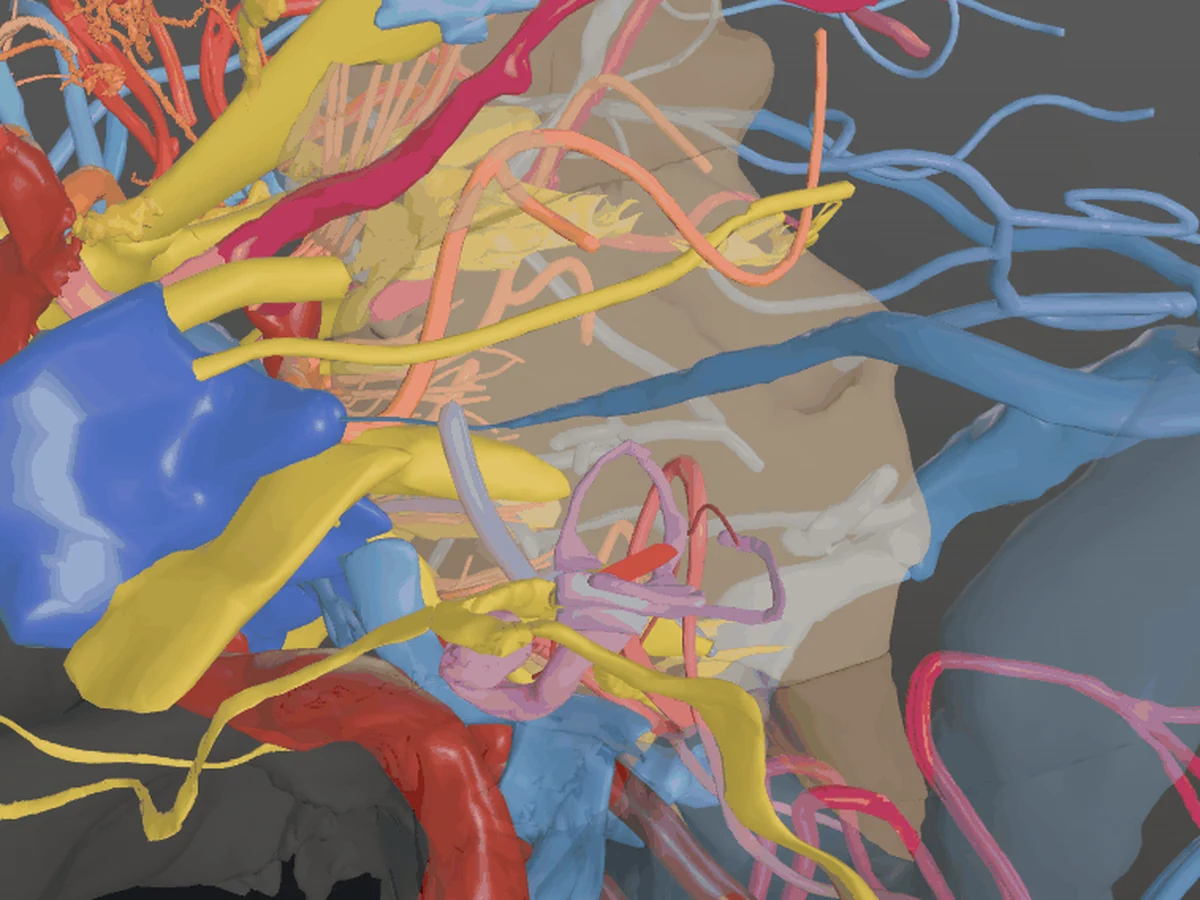
Cases
See how disease and surgery change anatomy: an aneurysm on an artery, an electrode on its way to a target deep in the brain.
-
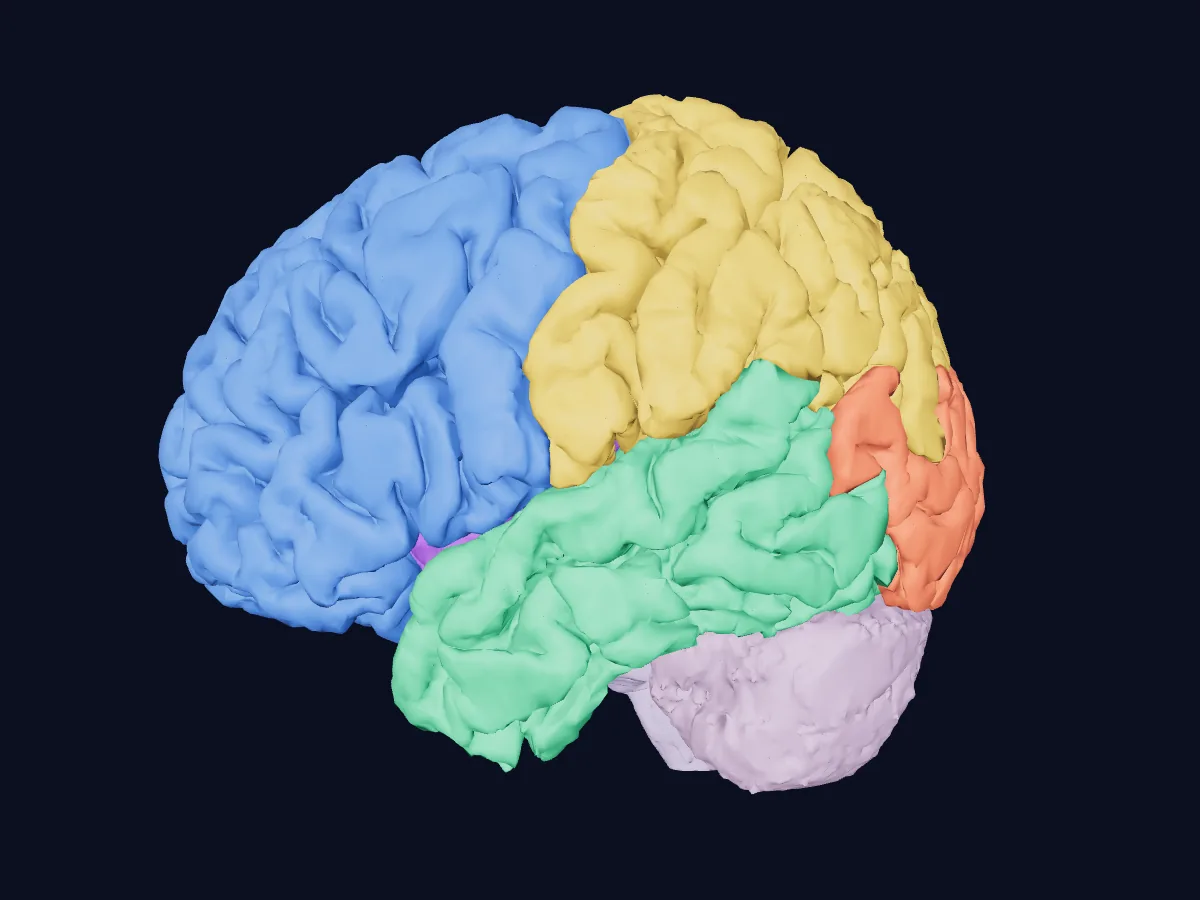
In virtual reality
Put on a headset and the brain floats life-size in your room, to walk around and look inside.
The pictures are screenshots of the atlas. Those under Future direction come from versions still in development.
- Structures
- 730
- 3D models
- 1,031
- MRI detail
- 0.25 mm
- People behind the fibre tracts
- 1,065
The atlas is open
Since 16 November 2026 the Cerebrarium atlas is open to everyone, free for learning and teaching. Log in with your email address: we send you a 6-digit code, no password needed. It works best on a computer.
Teaching a course? Each student aged 16 or over can create their own account. Write to us if you plan to use it in class.
Learn with the reels
Short films on one topic each, made from the same scans. All 22 reels